Key takeaways
- Spring thaw flooding is usually groundwater, not a plumbing leak. It seeps through stone, block, cracks and floor joints as the soil saturates.
- Test the sump pump before the thaw, not during it. A pump that has sat idle for months is the most common failure point.
- Clear snow away from foundation walls, window wells and downspouts so meltwater drains away from the house.
- Do not walk through standing water near outlets, the furnace or the electrical panel. Shut off power only from a dry position.
- Stone foundations need gentle drying and airflow. Sealing a damp stone wall from the inside can trap moisture and cause spalling.
Vermont's spring thaw is a slow-motion water event. Snowpack that built up over months starts melting, the ground is still frozen below the surface, and the water has nowhere to go except downhill — often toward the foundation. Basements that stayed dry all winter can take on water in March and April, sometimes through walls that show no obvious crack.
Spring thaw basement flooding is different from a burst pipe. The water is usually groundwater, which means it can enter along the entire foundation rather than from a single break. It can also be contaminated by soil, road salt and whatever the snow collected over the winter. The response is different too: stop the water at the exterior where possible, manage what gets in, dry the structure, and correct the drainage that caused it.
Why thaw flooding happens
Several factors combine in a Vermont spring. The frost line can extend several feet down, so the ground below the surface stays frozen while the top layer thaws. Meltwater perches on the frozen layer and moves laterally. If the house sits on a slope, water from uphill can collect against the foundation. If the snowpack is deep, the melt can be sudden, especially after a warm rain.
Older foundations are especially vulnerable. Stone and mortar walls are porous. Mortar joints erode over time. Block foundations develop hairline cracks. A poured concrete wall can crack at the cove joint where the floor meets the wall. Window wells fill with snow and ice, then leak into the basement when they thaw. A sump pump that handled a wet fall may fail on the first heavy melt if its float is stuck, its discharge line is frozen or its check valve has failed.
Rivers add another layer. The Winooski, Otter Creek, Stevens Branch and other Vermont waterways can crest during a rapid thaw, sending water into low-lying neighborhoods and backing up municipal systems. In those cases, the water may be contaminated and the cleanup is closer to flood damage cleanup than a simple basement seep. Low-lying blocks in Montpelier and Barre know the pattern well.
Warning signs before the water arrives
Most thaw floods give some warning. Watch for these signs in late winter and early spring:
- The sump pump runs constantly or cycles more often than usual.
- Water seeps along the floor-wall joint or appears in a corner after a warm day.
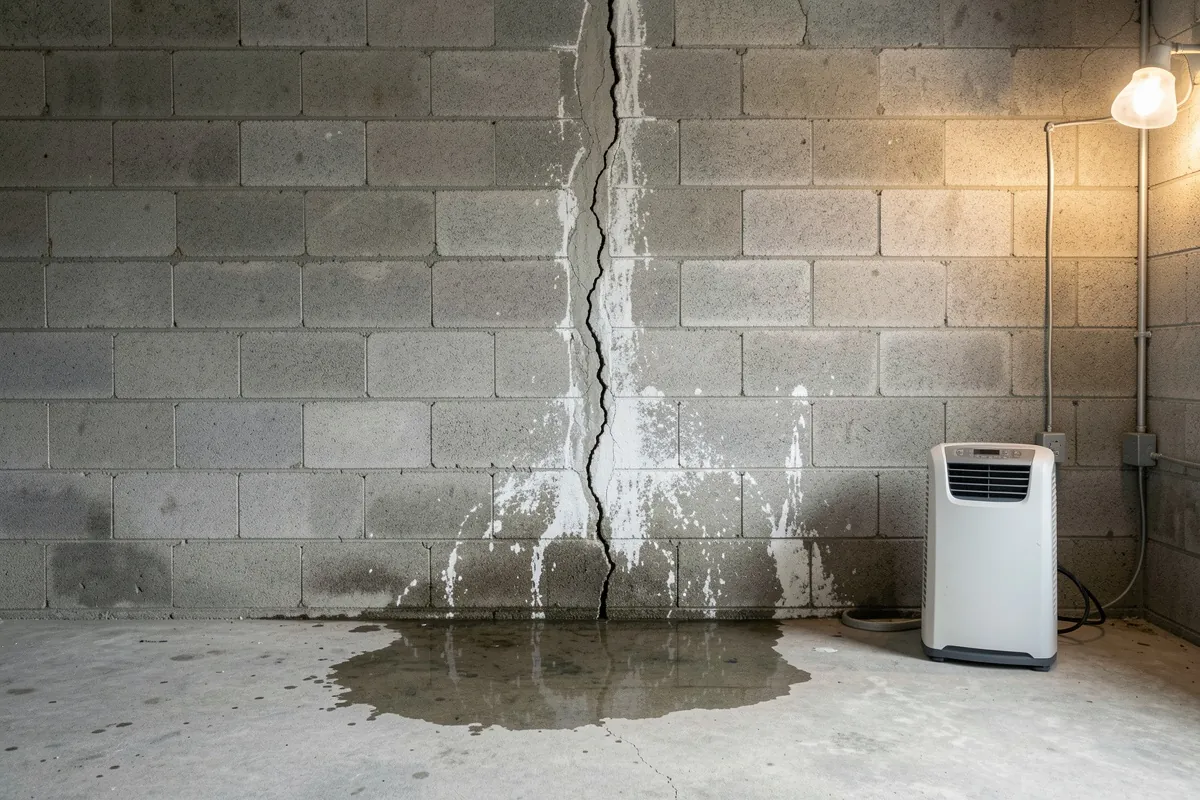
- White powdery deposits on the foundation wall — efflorescence is a sign of moisture moving through masonry.
- A musty smell that gets stronger as the ground thaws.
- Damp patches or dark streaks on the basement wall, especially after rain.
- Cracks that look wet or have a white crystal buildup.
- Water staining in a window well or along the sill plate.
- The sump pit is full and the pump is not running.
If you see any of these, act before the next warm spell. A few hours of preparation can prevent a much larger cleanup.
Before the thaw: a Vermont checklist
Do this work while the basement is still dry and the weather is cold enough to keep the ground firm:
- Test the sump pump. Pour a bucket of water into the pit and watch the pump start, pump out and shut off. Listen for grinding or a pump that runs without moving water. Clean the intake screen.
- Check the discharge line. Make sure it is not frozen, blocked or buried under snow. The line should carry water well away from the foundation and slope downhill.
- Add battery backup. Spring storms often knock out power. A battery backup or a water-powered backup pump keeps the pit from overfilling during an outage.
- Clear snow away from the foundation. Shovel snow away from walls, window wells and foundation vents. The goal is to give meltwater a path away from the house.
- Extend downspouts. Make sure roof water discharges at least several feet from the foundation and does not pool near a window well.
- Check the grade. Soil should slope away from the foundation. Add compacted fill if low spots collect water.
- Clear window wells. Remove snow, ice and debris. If the well has a cover, make sure it is intact and draining.
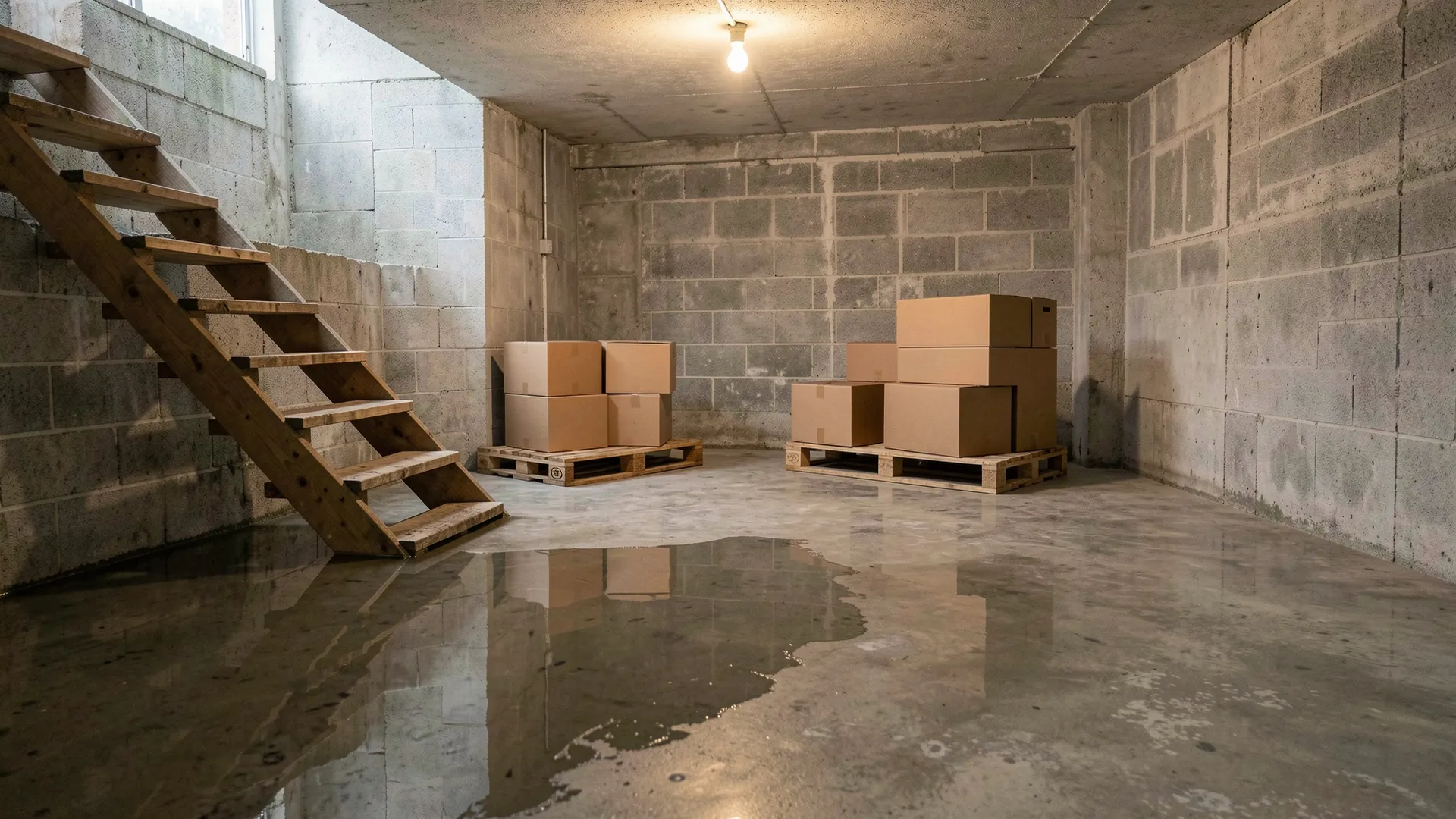
- Move storage off the floor. Raise boxes, furniture and equipment onto pallets or shelves. Keep important documents and electronics out of the basement entirely.
- Know the shutoffs. Locate the main water valve, the gas valve and the electrical panel. Do not store items in front of them.
- Check the floor drain. Make sure it is open and not covered by a rug, shelf or stored item.
Water coming in with the thaw?
Tell us where it is entering, how deep it is and whether the sump pump is running. We will help you decide what to do next.
Call (888) 912-0836When water is already inside
Safety comes first. Do not walk through standing water near outlets, the furnace, the water heater, the washer or the electrical panel. If you can reach the panel from a dry position, shut off power to the affected area. If the panel itself is wet or you would have to stand in water to reach it, stay out and call for help.
Check the sump pump. Is it plugged in? Is the float stuck? Is the discharge line frozen? If the pump is running but not moving water, the impeller may be clogged or the line may be blocked. If the pump is not running, a replacement or backup may be needed. Do not reach into the pit while the pump is plugged in.
If the water is shallow and clean, a wet-dry vacuum can remove small amounts. If it is deeper or contaminated, leave it for a crew with pumps and protective equipment. Do not use a household vacuum, and do not run extension cords across a wet floor. Move valuables to dry ground and photograph the water line, the entry points and any damaged items before cleanup.
Then call. Groundwater can wick into wall cavities, under the floor slab and into insulation. A fan and a dehumidifier may dry the surface, but they will not dry the assembly. Technicians use moisture meters and thermal imaging to find the hidden wet zones and set a drying plan that matches the foundation type.
Sump pump failure: the most common thaw call
Most sump pumps sit idle for months. The first big melt is the worst time to discover a stuck float, a corroded switch or a frozen discharge line. A pump that runs but does not move water may have a clogged impeller or a blocked check valve. A pump that runs continuously may be undersized for the inflow, or the pit may be filling faster than it can discharge.
If the pump fails during a thaw, the pit can overflow in minutes. If you have a backup pump, make sure it is connected and the battery is charged. If you do not, a portable utility pump and a hose can buy time, but only if the outlet is GFCI-protected and the hose can discharge safely away from the foundation. Never run a generator indoors or in a garage; carbon monoxide is a serious risk.
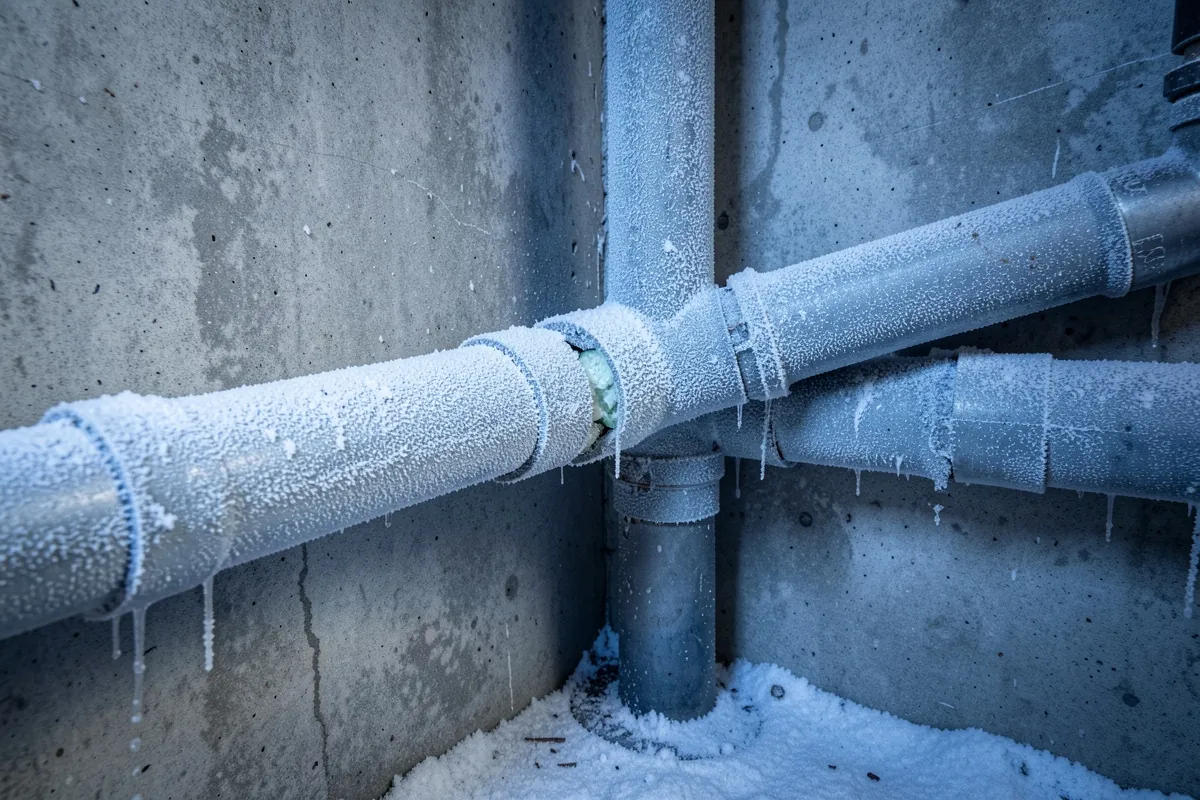
After the emergency, have the pump serviced or replaced. Consider a larger pit, a second pump, a battery backup and an alarm that sounds when the water level rises. The goal is redundancy, not a single point of failure. If the basement is already wet, start with basement water damage and read our guide to frozen pipes before the next cold snap.
Drying a stone or block foundation
Vermont has a lot of stone and block foundations, and they need a different approach from modern waterproofed basements. Stone and mortar are porous. Trapping moisture behind a coat of paint or a sealed interior membrane can cause spalling, efflorescence and mold. The wall needs to dry toward the interior, with airflow and gentle heat.
Crews typically remove wet storage, extract standing water, set air movers to keep air moving along the wall, and use dehumidifiers to lower the humidity in the space. They may use cavity drying equipment in finished areas. If insulation or drywall is wet, it may need to be removed to let the assembly dry. Antimicrobial treatment may be used where contamination is present, but it is not a substitute for drying.
Exterior drainage is the long-term fix. That can include extending downspouts, regrading, repairing gutters, installing a French drain or exterior waterproofing, and correcting the grade around window wells. Interior sealants and paints are not a fix for active seepage; they can make the problem worse by trapping water in the masonry.
Mold and the 48-hour window
Mold can begin growing on damp drywall, wood and carpet within 24 to 48 hours. Basements are especially favorable because they are cool, humid and often poorly ventilated. The musty smell that appears a few days after a thaw is a warning sign, not a normal basement smell.
If the water was contaminated by soil, road salt or sewage, the cleanup needs to include safe removal of affected materials and disinfection. Porous materials that cannot be cleaned should be bagged and discarded. Keep the area contained so spores do not spread to the rest of the house.
If mold is already visible, see our mold remediation service and the guide on how fast mold grows after water damage. Drying the source and correcting the moisture are the only ways to keep it from returning.
Insurance: groundwater vs. sudden plumbing
Standard homeowners policies often cover sudden and accidental water damage from a burst pipe or appliance, but groundwater seepage and surface flooding are usually excluded. Flood insurance is a separate policy, and it typically has a waiting period. Sump pump failure may be covered by an endorsement, but not always.
Document the loss carefully: photograph the water line, the entry points, the damaged contents and the sump pump. Keep receipts for any emergency repairs. Do not throw away damaged items until your adjuster has seen them or advised you. Call your agent early and ask what documentation they need.
Spring thaw FAQs
Why does my basement flood only in spring?
Spring combines a deep snowpack, frozen ground and rising temperatures. Meltwater cannot soak into the frozen soil, so it moves laterally against the foundation. The same house may stay dry in summer because rain can infiltrate the soil and the water table is lower.
Is a wet basement always a foundation problem?
No. It can be a gutter, downspout, grading, window well or sump issue. It can also be a plumbing leak or a failed appliance. The first step is to identify the source. If the water appears only after rain or thaw, groundwater or drainage is likely.
Can I just run a dehumidifier and fans?
Fans and a dehumidifier help with surface moisture and humidity, but they do not dry wall cavities, insulation or a saturated floor assembly. If the water has been standing or the wall is wet, a moisture assessment is the safer path.
Should I seal the inside of my stone foundation?
Generally no. Stone and mortar need to breathe. An interior sealant can trap moisture and cause spalling, efflorescence and mold. Fix the exterior drainage and manage the interior humidity instead.
Does homeowners insurance cover spring thaw flooding?
Most standard policies exclude groundwater and surface flooding. Some may cover sudden sump pump failure or a related endorsement. Check your policy and ask your agent before the thaw, not after the basement fills.
The bottom line
Spring thaw flooding is predictable, which means most of it is preventable. Test the sump pump, clear snow and ice away from the foundation, extend downspouts and raise stored items before the melt. If water gets in anyway, stay safe, document the damage and call for help. For active basement water, call (888) 912-0836 or start with our basement water damage service.

Vermont Restoration Pros
A Vermont-focused dispatch line for water damage, extraction, drying, mold and sewage cleanup. Open 24 hours a day, every day.
How the dispatch line works ›