Key takeaways
- An ice dam is a ridge of ice at the roof edge that traps snowmelt behind it. The leak usually appears at the ceiling or exterior wall, not at the roof edge.
- Icicles are a symptom. The real cause is heat escaping into the attic and warming the roof deck above the insulation.
- Never climb onto a snowy roof to chip ice. Use a roof rake from the ground, and stay clear of power lines.
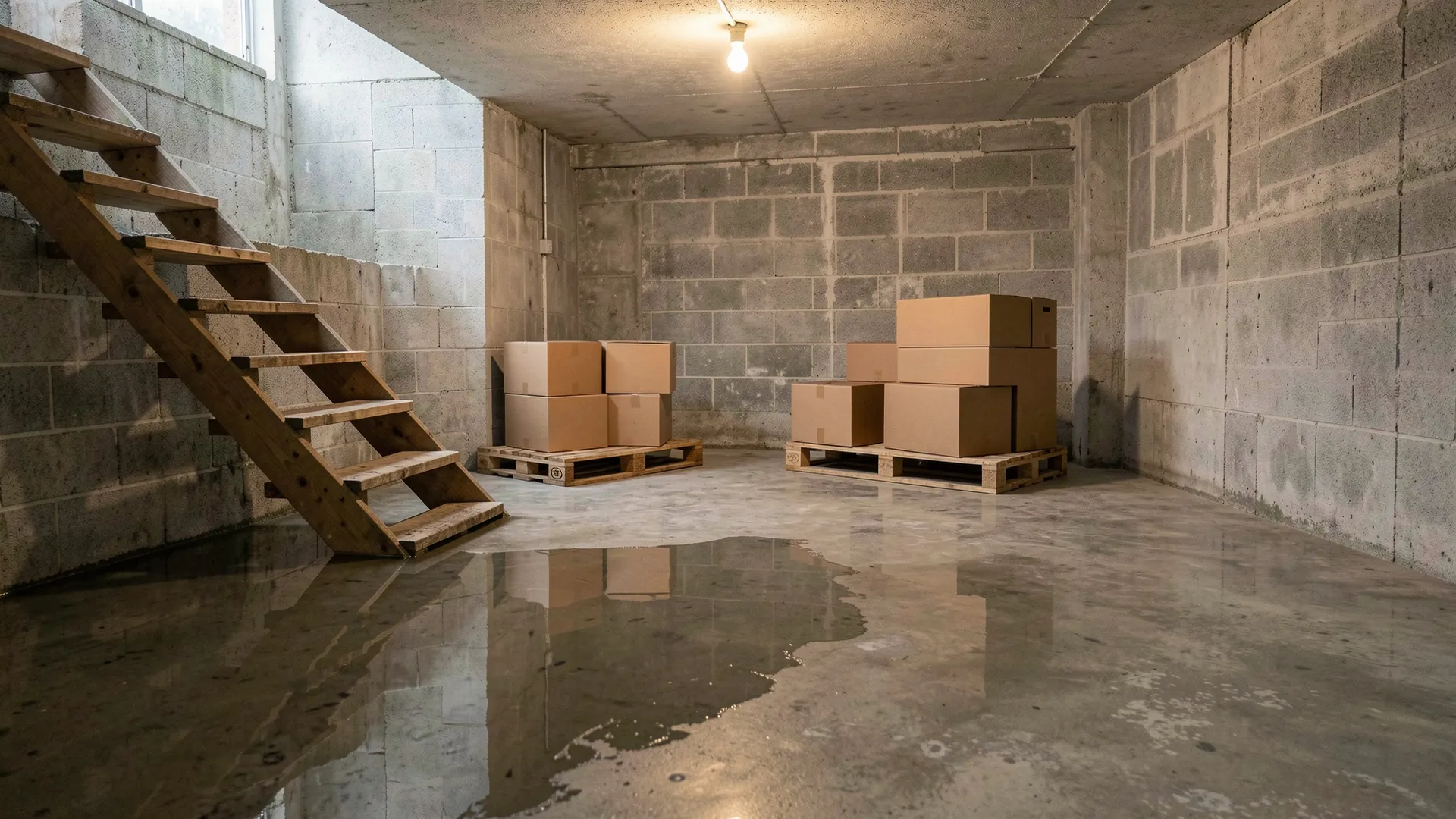
- If water is already inside, move valuables, catch the drip safely and call for drying before mold starts.
- Permanent fixes are air sealing, insulation and ventilation — not salt socks or heat cables alone.
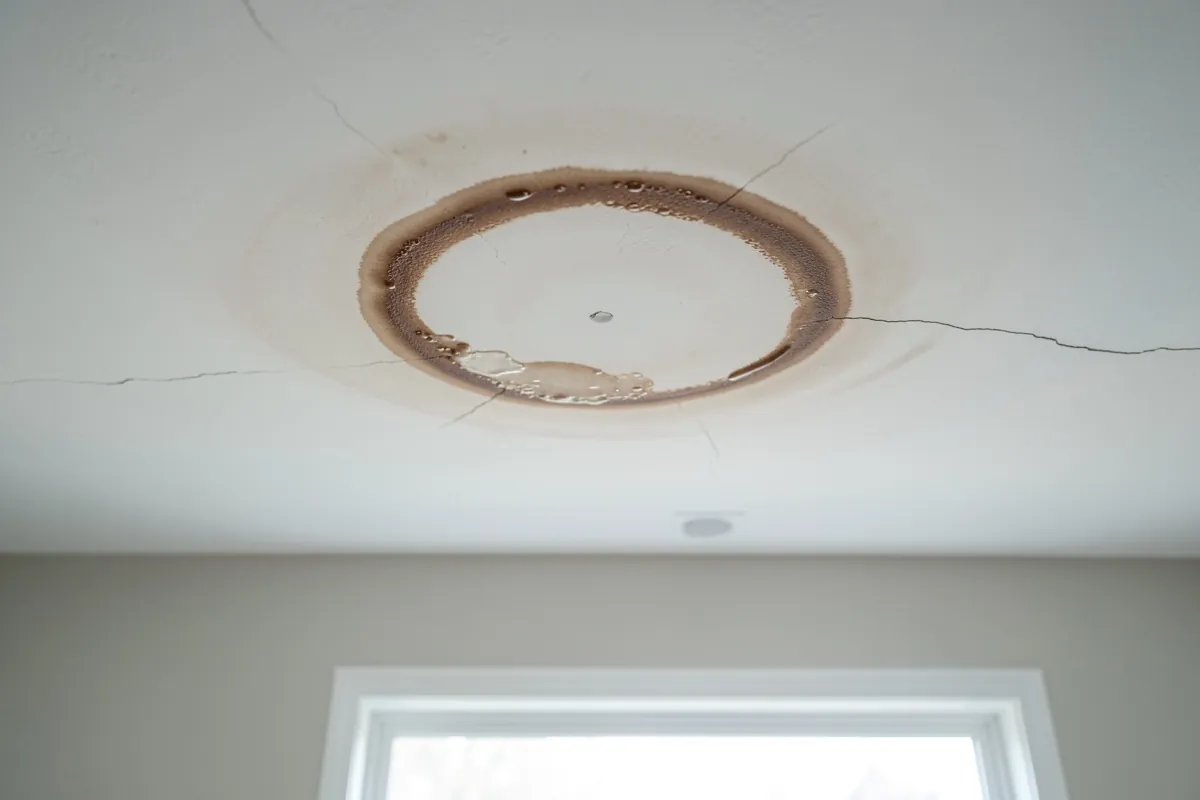
The first sign is often a brown ring on a ceiling that was perfectly white in December. Or a curtain of icicles along the eave, thicker than any the house has produced before. Both point to the same thing: an ice dam has formed at the roof edge, and melting snow is backing up under the shingles and into the structure.
Ice dams are one of the most common Vermont winter water damage calls. They are also one of the most misunderstood. Homeowners often assume the roof is failing, or that the fix is to chip away the ice. In reality, the dam is usually a symptom of heat loss from the living space below, and the leak is a sign that water has already found a path inside.
How an ice dam forms
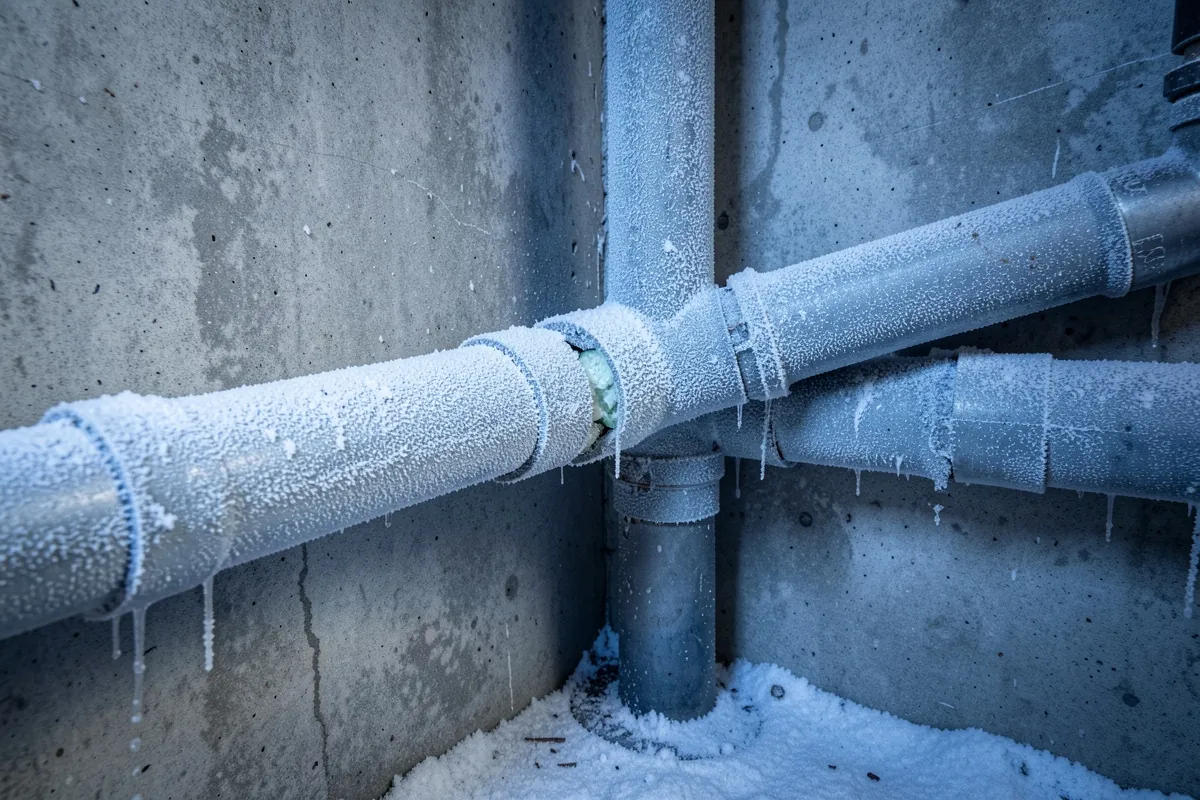
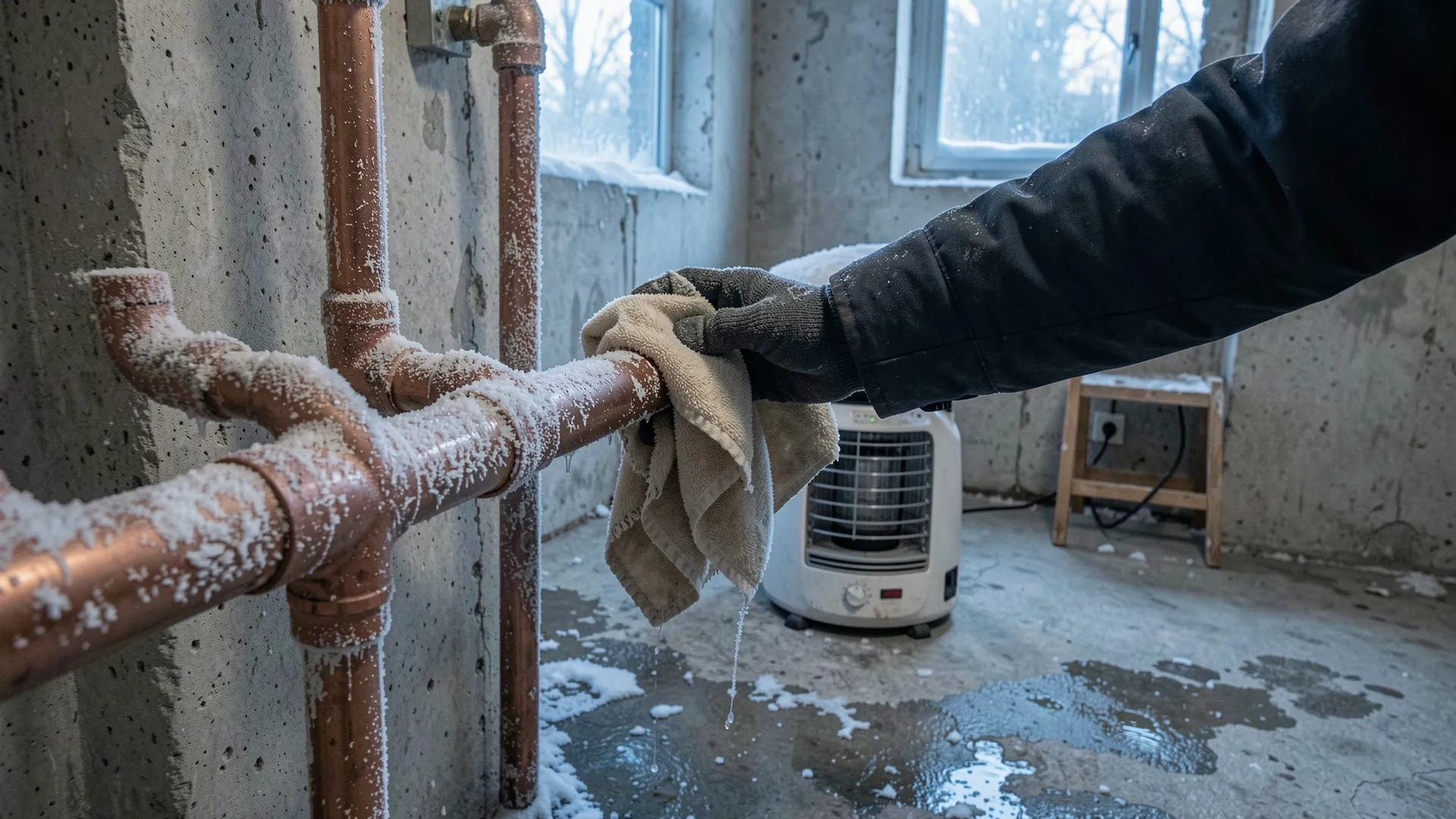
Three conditions have to line up: snow on the roof, a stretch of cold weather, and a roof surface that is warm enough in the middle to melt snow while the eave stays below freezing. The melted water runs down the roof slope, reaches the cold overhang and refreezes. A ridge of ice builds up at the edge. More meltwater arrives behind it, pools, and eventually works under shingles, behind fascia and into the attic or wall cavity.
The heat that drives the process usually comes from the house. Warm air leaks into the attic through gaps around recessed lights, bathroom fans, chimney chases, attic hatches and top plates. Insulation that is thin, compressed or missing leaves the roof deck warm. A poorly ventilated attic traps that heat instead of letting it escape. The eave stays cold because it extends beyond the heated wall, so the water freezes exactly where the roof is coldest.
Vermont roofs add their own variables. Older homes often have complex rooflines, dormers, valleys and shallow slopes that catch snow. Metal roofs shed snow quickly but can form dams at snow guards and seams. Steep roofs are less prone to buildup, but no pitch is immune when the snow is deep and the cold is sustained. The pattern shows up on older houses in Burlington and Montpelier as often as it does in rural towns.
Warning signs of an ice dam leak
Look for these clues from inside and outside the house:
- Heavy icicles or a solid ice band along the eave, especially after a cold snap.
- Brown or yellow rings on ceilings, especially near exterior walls or under valleys.
- Bubbling, peeling or blistering paint on a ceiling or wall.
- Damp insulation or a musty attic smell after snowmelt.
- Water stains on siding, soffit or fascia below the roof edge.
- Sagging gutters or ice visible behind the gutter apron.
- Water dripping inside during a thaw, even when it has not rained.
A ceiling stain does not always mean the roof is structurally damaged. It does mean water has entered the assembly and is looking for a way out. The longer it stays wet, the greater the chance of insulation damage, framing decay and mold.
Ice dam leaking into the house?
Move valuables out of the drip zone, catch the water safely and call for help. We can talk you through the next step.
Call (888) 912-0836What to do when an ice dam is leaking
Start with safety. Water and electricity are a dangerous combination. If water is dripping near a light fixture, outlet or ceiling fan, turn off that circuit from a dry location. Do not stand on a wet floor to reach the breaker. If the ceiling is bulging, keep people and furniture away from the area; waterlogged drywall can release suddenly.
Catch the water with buckets, pots or a plastic tub. Move furniture, rugs, electronics and anything else that can be damaged. Place towels or plastic sheeting under the drip, but do not seal the ceiling. Trapped water will spread sideways and find another exit. If the ceiling is sagging and you are comfortable doing it safely, a small relief hole in the center of the bulge can direct the water into a bucket. If not, leave it alone and call.
Outside, remove snow from the roof only if you can do it safely from the ground with a roof rake. Work away from the edge and keep clear of power lines, gutters and windows. Do not climb a ladder onto a snow-covered roof. Do not chip the ice with an axe, hammer or ice pick. Do not pour salt or calcium chloride on the roof; it can damage shingles, plants and metal. A pair of pantyhose filled with calcium chloride and laid across the dam is sometimes used as a temporary channel, but it is a stopgap, not a repair.
Heat cables can open a channel, but they are not a permanent solution and can be expensive to run. If they are already installed, make sure they are rated for the application and plugged into a GFCI-protected outlet. Never run an extension cord across a wet roof or snowbank.
Why the leak appears away from the ice dam
Water does not always drip straight down. It follows the path of least resistance: along framing, under sheathing, through insulation and across ceiling joists. A stain near the center of a room can originate at an eave twenty feet away. That is why interior inspection matters. Technicians use moisture meters and thermal imaging to trace the water path and determine how far the wet zone extends.
In finished attics and cathedral ceilings, water can travel between the insulation and the drywall before it shows. By the time a stain appears, the insulation may be saturated and the framing may have been damp for days. Removing and replacing wet insulation is often part of the repair, even when the drywall looks mostly intact.
What restoration involves
Once the source is controlled, the restoration sequence is similar to other water losses. Crews extract standing water, remove wet insulation and any unsalvageable materials, and set drying equipment to dry the framing, sheathing and ceiling assembly. In an attic, that may mean air movers, dehumidifiers and HEPA filtration. In a finished room, it may mean opening a small section of ceiling to reach the wet cavity. For roof-fed storm water, see storm and wind-driven rain damage; for the full cleanup and rebuild sequence, see water damage restoration.
Mold is the reason speed matters. Wet cellulose materials, dust and warm indoor air create a favorable environment, and mold can begin within 24 to 48 hours. Drying the assembly and removing saturated materials is the primary prevention. If mold has already appeared, containment and remediation are added to the scope.
Documentation matters for insurance. Photograph the ice dam, the ceiling stains, the damaged insulation and any contents. Keep a record of when the leak was discovered and what was done to stop it. Sudden damage from an ice dam may be covered under some policies, while long-term seepage or maintenance issues may not be. Our homeowners insurance guide explains the difference between sudden and gradual losses.
The permanent fixes that actually work
Ice dam prevention is a building science problem, not a roofing accessory problem. The goal is to keep the roof deck cold and the attic dry:
- Air seal the attic floor. Seal gaps around lights, fans, chimneys, hatches, wiring and plumbing penetrations. This stops warm indoor air from reaching the roof deck.
- Insulate to an appropriate level. Add insulation where it is thin or compressed, and make sure it covers the top plates without blocking ventilation.
- Ventilate the attic correctly. Intake vents at the soffit and exhaust at the ridge or gable keep the attic closer to outdoor temperature. Do not block soffit vents with insulation.
- Address complex roof areas. Valleys, dormers and low-slope sections may need extra attention, ice-and-water shield underlayment or a different snow-shedding strategy.
- Keep gutters and downspouts clear. A blocked gutter holds water and ice against the fascia. Extend downspouts away from the foundation.
- Consider a professional energy audit. An infrared scan and blower-door test can find the bypasses that are warming the roof.
Salt socks, heat cables and roof rakes have a place as temporary measures, but they do not fix the underlying heat loss. A roof that stays cold and an attic that stays dry are the real solution.
Ice dam FAQs
Are icicles always a sign of an ice dam?
Not always. Icicles can form from snow melting on a sunny roof, but heavy, persistent icicles combined with a thick ice band at the eave are a strong sign of heat loss and a potential dam. If you also see ceiling stains or water dripping inside, treat it as an active leak.
Should I remove snow from my roof?
Only if you can do it safely from the ground with a roof rake. Never climb onto a snowy roof, and stay away from power lines. Removing snow reduces the meltwater supply, but it does not fix the heat loss that created the dam.
Will a roof leak from an ice dam go away on its own?
The drip may stop when the weather turns colder, but the moisture remains in the insulation and framing. When the next thaw arrives, the leak can return. Drying the assembly and correcting the cause are what stop the cycle.
Does homeowners insurance cover ice dam damage?
Some policies cover sudden water damage from an ice dam, but coverage varies and maintenance-related exclusions may apply. Document the damage, the ice dam and any temporary measures you took. Talk with your adjuster before discarding materials.
How do I know if the ceiling is wet inside?
A moisture meter is the most reliable tool. Visible signs include soft drywall, bubbling paint, a musty smell or a stain that grows after a thaw. If you are unsure, a professional moisture inspection can map the wet area without opening the whole ceiling.
The bottom line
Ice dams are a Vermont winter staple, but they do not have to become a spring mold problem. Watch the eaves and ceilings, keep the roof safe, and call for drying as soon as water appears inside. Then plan the permanent work: air sealing, insulation and ventilation. If you are dealing with an active leak now, call (888) 912-0836 and start protecting the rooms below.

Vermont Restoration Pros
A Vermont-focused dispatch line for water damage, extraction, drying, mold and sewage cleanup. Open 24 hours a day, every day.
How the dispatch line works ›